Mentoring And Recovery Companions: The Heart of Concierge Recovery Support at Recovery Allies
At Recovery Allies, we believe recovery is not a solitary journey—it’s a deeply personal process that thrives with consistent, compassionate, and expert-guided support. True healing extends far beyond the individual.
When Anxiety Is More Than Just Worry: Recognizing and Managing Anxiety Disorders
Everyone feels worry or nervousness occasionally, but when anxiety becomes intense, persistent, and disruptive, it may indicate an anxiety disorder.
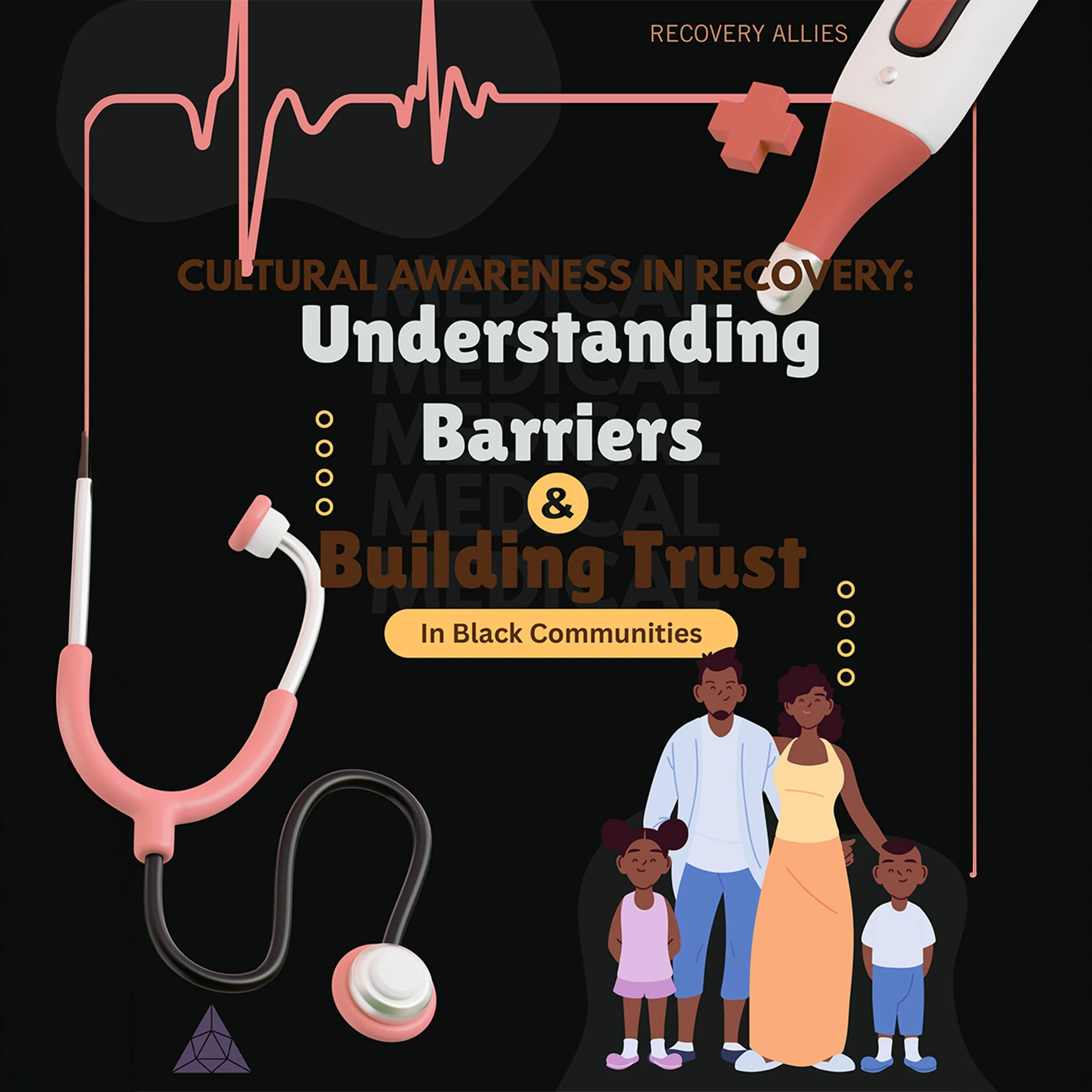
Cultural Awareness in Recovery: Understanding Barriers and Building Trust in Black Communities
At Recovery Allies, we believe culturally responsive care is not optional — it is essential for effective, compassionate recovery from substance use disorders and mental health challenges. Culture, history, and lived experience shape how individuals perceive mental health, seek help, and engage in treatment.
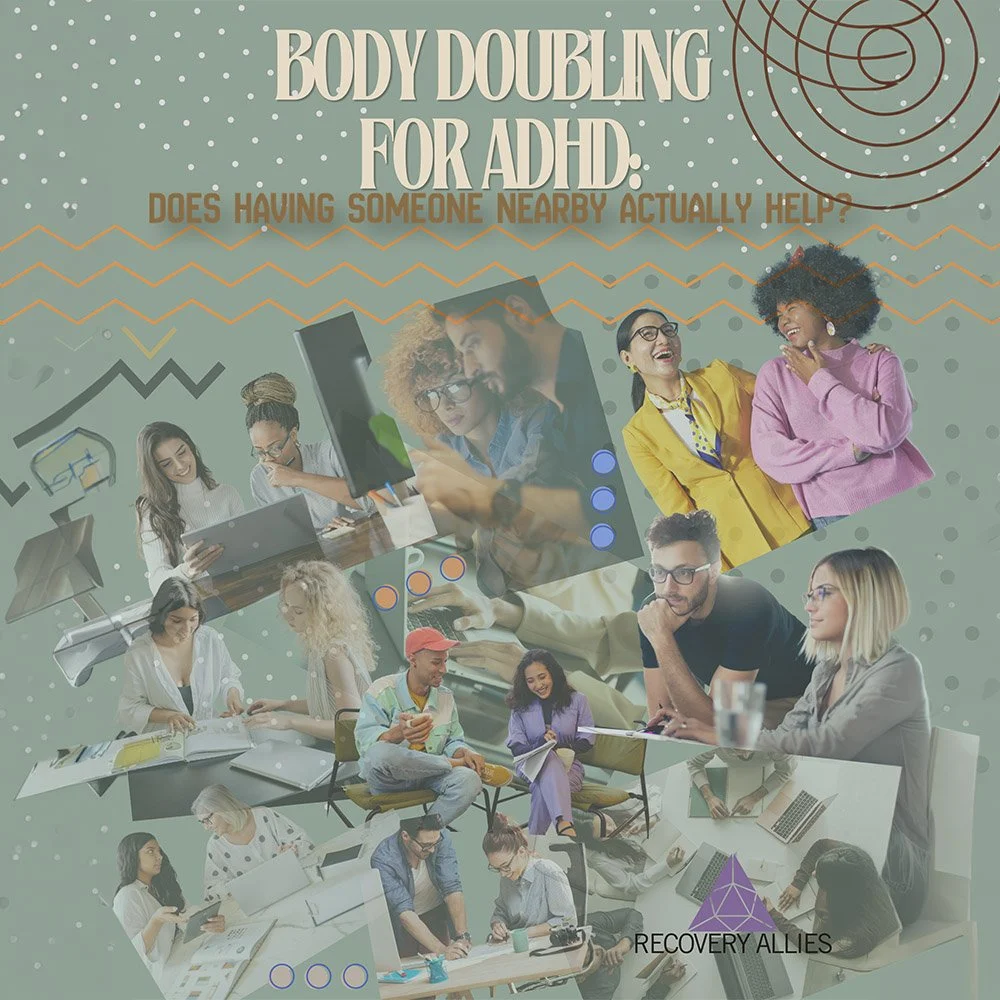
Body Doubling for ADHD: Does Having Someone Nearby Actually Help?
“I can’t seem to start tasks alone… but when someone is just sitting nearby, things suddenly get easier.”
If this sounds familiar, you may already be benefiting from body doubling — a simple yet powerful strategy many people with ADHD use to manage executive dysfunction and task paralysis.
Why Expert Treatment Planning Is a Game-Changer for Families
When a loved one is struggling with substance use disorder, mental health challenges, or co-occurring conditions, families often feel overwhelmed by the weight of responsibility.
Understanding Self-Harm: Why It's Rising Among Teens and How We Can Help
Trigger Warning
This article discusses self-harm, suicidal thoughts, and teen mental health crises in detail. If you or someone you know is in immediate danger, please call 911 right now or text/call the 988 Suicide & Crisis Lifeline (available 24/7). Help is available, and reaching out is a sign of strength.
Healing from a Broken Heart and Loneliness: Finding Your Way Back to Connection
Heartbreak and loneliness can feel like an endless weight — whether from the end of a romantic relationship, the loss of a loved one, a friendship that faded, or the quiet ache of isolation.
Addiction Is Not a Moral Failing — It’s a Strategy to Escape the Present Moment
Addiction is best understood as a deeply human survival strategy — an often unconscious attempt to change, avoid, or control a present moment that feels unbearable.
The Harsh Reality: Substance Use Is Always Driven by an Underlying Mental Health Issue
Substance use rarely exists in isolation. Behind nearly every case of addiction — whether alcohol, opioids, stimulants, or other drugs — lies an underlying mental health condition that the person has been trying to manage, numb, or escape. What looks like “just a substance use problem” on the surface is often self-medication for anxiety, depression, trauma, PTSD, bipolar disorder, borderline personality disorder, or complex emotional pain that has gone unaddressed for years.
Interventions Are Not What You Think They Are: The Compassionate Truth Behind Modern Recovery Interventions
You’ve probably seen the dramatic TV versions: a room full of angry family members, harsh accusations, tears, and an ultimatum that forces someone into treatment. The person storms out, the family feels defeated, and the whole scene feels more like an ambush than help.
April is Autism Acceptance Month: Celebrating the Extraordinary Minds That Light Up Our World
April is Autism Acceptance Month — a time to move beyond mere awareness and truly honor the vibrant, brilliant, and resilient individuals on the autism spectrum who enrich our lives every single day.
I Just Received a Psychiatric Diagnosis — Now What? Your First Steps Toward Clarity, Support, and Real Healing
Receiving a psychiatric diagnosis can feel like the ground has shifted beneath you. One moment you’re trying to make sense of your symptoms, the next you’re holding a label that suddenly explains — and complicates — everything. Anxiety, depression, bipolar disorder, PTSD, or any other diagnosis can bring a wave of relief mixed with fear, confusion, grief, and an urgent question: “What do I do now?”

World Bipolar Day: Raising Awareness, Reducing Stigma, and Honoring the Journey
Every year on March 30th, the world comes together to observe World Bipolar Day. This important global initiative aims to raise awareness, eliminate stigma, and promote better understanding of Bipolar Disorder. The date was intentionally chosen to honor the birthday of the legendary artist Vincent van Gogh, who is believed to have lived with Bipolar Disorder.

DBT Therapy for Borderline Personality Disorder: What It Is, How It Works, and Why It Delivers Life-Changing Results
If you or someone you love has been diagnosed with Borderline Personality Disorder (BPD), you’ve likely heard the term ‘DBT Therapy’ — but what exactly is it, and why do so many experts call it the gold-standard treatment for BPD?

Healing Beyond Labels: When Violence Becomes a Learned Pattern—and How Families Can Break the Cycle
Violence in a family is rarely a single moment. It is often a pattern, learned and reinforced across years, carried in the body as a kind of language, and defended with stories we tell about ourselves and one another. For someone who was repeatedly exposed to harm, the line between victim and perpetrator can blur.

The Love-Led Family: Ethics, Boundaries and Healing through Addiction
Those of us who have experienced any one of the different forms of addiction, we know it strains familial bonds and complicates even the simplest acts of care. This includes not only family of origin but family of choice and our professional relationships.

Codependency: Loving Them to Death — A Path to Recovery
When love becomes entangled with patterns of codependency, it can turn into a destructive force that harms both the giver and receiver.

How to Plan Well for Leaving Sober Living: A Guide to Successful Transitions and Relapse Prevention
Leaving sober living is a major milestone. It can feel both empowering and scary — a fresh start, yet with new responsibilities and challenges.

Why Sober Living Matters for Women and Gender Non-Conforming Individuals — And Why Access Must Improve
Early recovery is a vulnerable and defining time for anyone healing from substance use disorder—but for women and gender non-conforming (GNC) individuals, it’s often even more complex. The intersection of gender, trauma, and social stigma can make staying sober after treatment far more difficult. And yet, access to gender-responsive, affirming sober living environments is still alarmingly limited.